Introduction to Disposable Food Packaging
Disposable food packaging plays a crucial role in the food service industry, providing convenience, ensuring food safety, and enhancing the customer experience. As a business owner or manager in the food industry, understanding the different types of disposable packaging, their appropriate uses, and their environmental impact is essential.
This comprehensive guide covers everything you need to know about disposable food packaging, from basic cup and container types to eco-friendly alternatives, helping you make informed decisions for your business while considering both operational needs and environmental responsibility.
Key Considerations When Choosing Disposable Packaging:
- Food Compatibility: Ensuring the packaging is suitable for your specific food items (hot/cold, liquid/solid, etc.)
- Durability: The packaging should maintain its integrity throughout the intended use
- Temperature Resistance: Ability to withstand heat or cold without compromising quality
- Presentation: How the packaging presents your food to customers
- Environmental Impact: The sustainability profile of your packaging choices
- Cost-Effectiveness: Balancing quality with budget constraints
- Regulatory Compliance: Meeting food safety standards and local regulations
Common Types of Disposable Food Packaging

1. Cups and Glasses
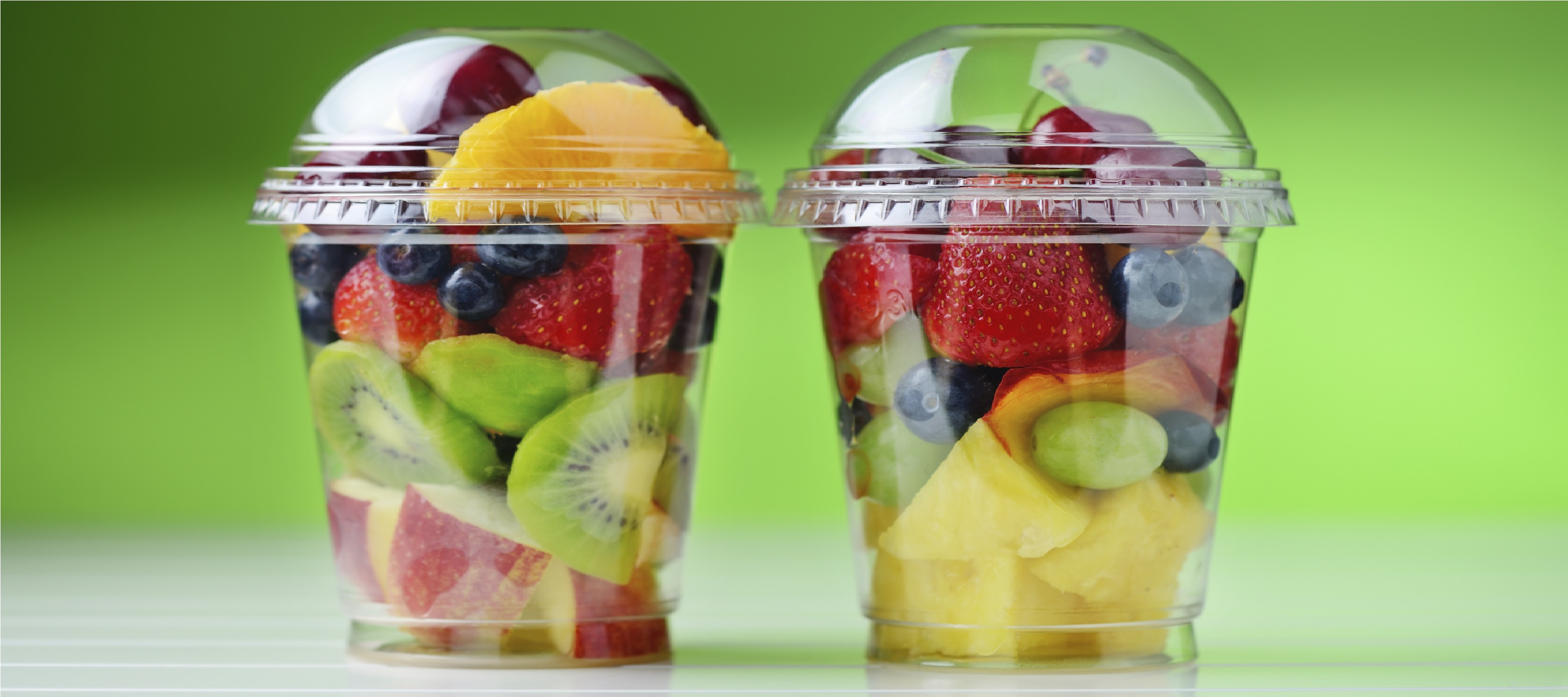
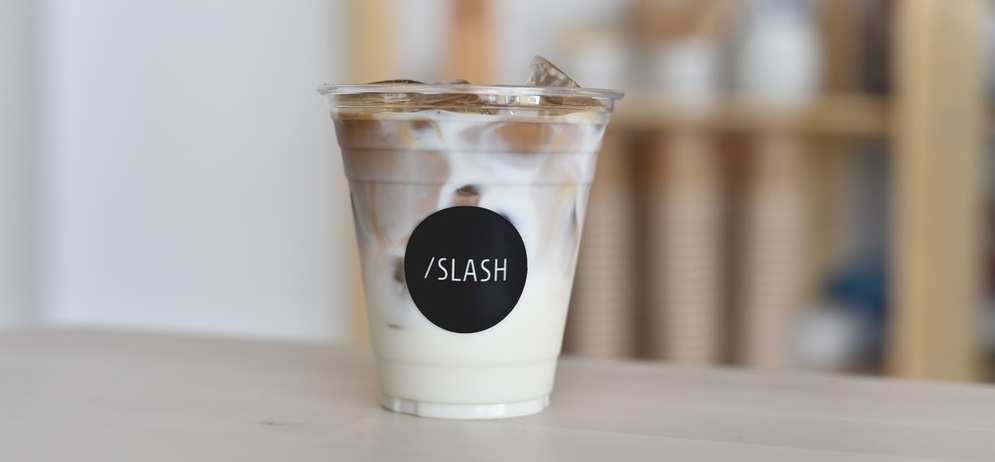
Disposable cups and glasses are essential for serving beverages in restaurants, cafes, events, and takeaway services. They come in various materials and designs to suit different types of beverages.
Common Types:
- Paper Cups: Single or double-walled with PE coating, suitable for hot beverages
- Plastic Cups (PP/PS): Clear cups for cold beverages, smoothies, and shakes
- Foam Cups: Insulated for hot beverages, though increasingly restricted due to environmental concerns
- PLA Cups: Plant-based biodegradable alternatives to traditional plastic cups
- Paper Cup Sleeves: Insulating holders for hot beverage cups
Available Sizes:
Typically range from 50ml (espresso) to 1000ml (large beverages), with standard sizes including 200ml, 250ml, 300ml, 350ml, 500ml, and 750ml.
View Our Cup Collection2. Food Containers
Food containers are designed to safely hold and transport prepared meals, salads, soups, and other food items. They come in various shapes, sizes, and materials to suit different food types and temperatures.
Common Types:
- Clamshell Containers: Hinged containers ideal for burgers, sandwiches, and meals
- Compartment Trays: Divided containers for multi-item meals
- Round Containers: Suitable for soups, curries, and wet foods
- Rectangle Containers: Versatile option for meals, salads, and desserts
- Soup Cups: Specialized containers with secure lids for liquids
Material Options:
- Plastic (PP/PS): Durable and versatile, available in clear and black options
- Aluminum: Excellent for hot foods and oven-ready meals
- Bagasse: Eco-friendly option made from sugarcane fiber
- Paper: Lined paper containers for lighter food items

3. Plates and Bowls
Disposable plates and bowls are essential for serving food at events, parties, and takeaway settings. They eliminate the need for washing and can be both practical and presentable.
Plate Types:
- Round Plates: Available in various diameters (6", 8", 10", 12")
- Compartment Plates: Divided sections for different food items
- Square/Rectangle Plates: Modern aesthetic for upscale presentations
- Thali Plates: Traditional Indian-style plates with multiple compartments
Bowl Types:
- Soup Bowls: Deep bowls for liquid foods
- Dessert Bowls: Smaller sized for individual portions
- Salad Bowls: Wide with low sides for easy serving
- Ramen/Noodle Bowls: Specialized deep bowls for noodles and broths
Material Options:
Available in paper, plastic (PS/PP), bagasse (sugarcane fiber), areca (palm leaf), and bamboo, each offering different aesthetics and environmental profiles.
View Our Plate Collection View Our Bowl Collection4. Cutlery and Utensils
Disposable cutlery provides convenience for takeaway food, outdoor events, and large gatherings. Modern options range from traditional plastic to eco-friendly alternatives.
Common Types:
- Spoons: Soup spoons, dessert spoons, serving spoons
- Forks: Dinner forks, salad forks, cocktail forks
- Knives: Dinner knives, butter knives, serrated knives
- Combination Sets: Spork (spoon-fork), knife-fork-spoon sets
- Specialized Utensils: Stirrers, straws, picks, skewers
Material Options:
- Plastic (PS/PP): Economical and durable
- CPLA: Compostable bioplastic derived from cornstarch
- Wood: Birch and bamboo options for sustainable alternatives
- Bagasse: Sugarcane fiber utensils
Important Considerations:
Note that many locations now restrict single-use plastic cutlery, making eco-friendly alternatives increasingly important for regulatory compliance.
View Our Cutlery Collection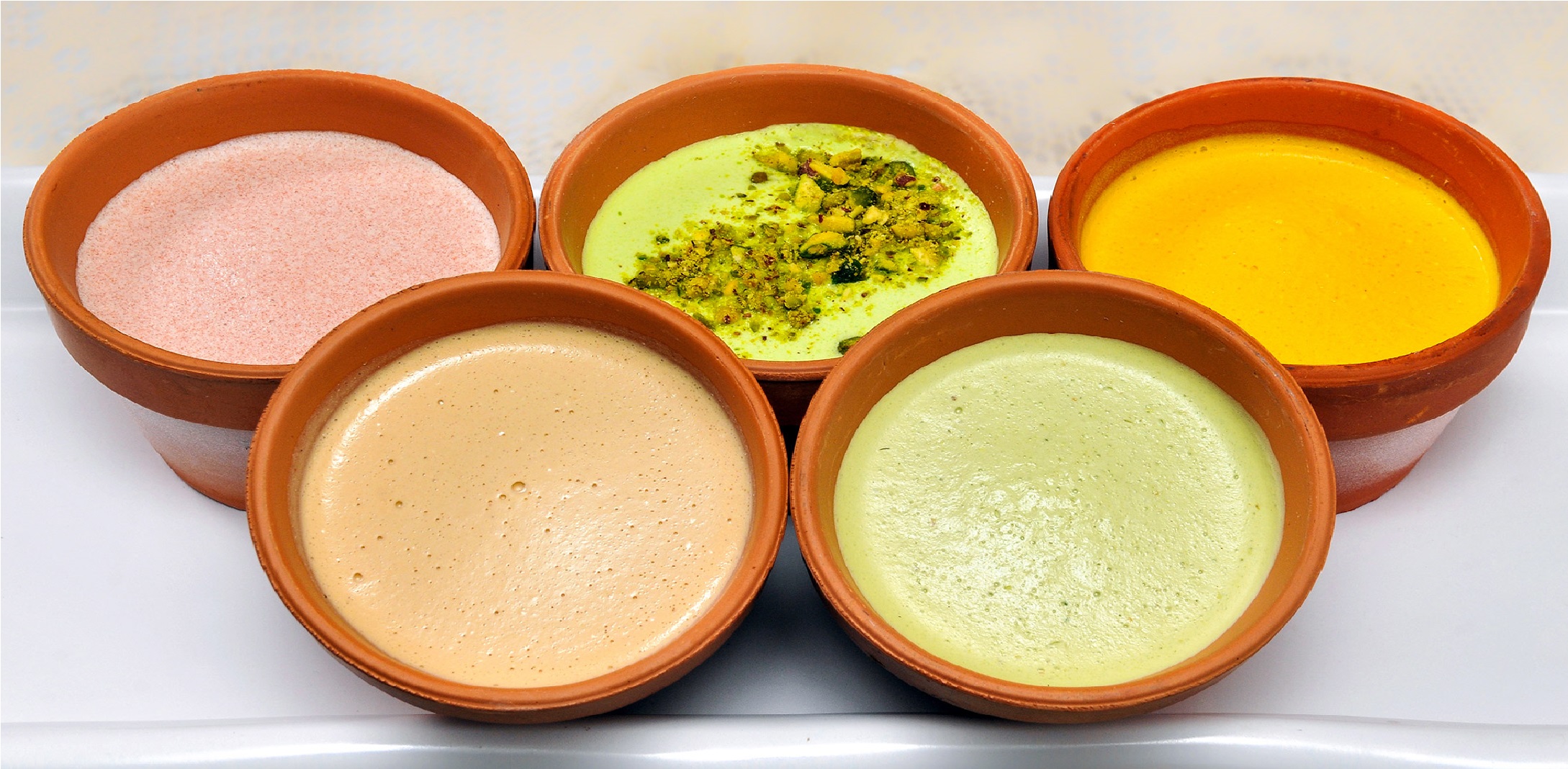
5. Additional Disposable Items
Beyond the main categories, various other disposable items are essential for complete food service operations:
Napkins and Tissues:
- Table Napkins: Available in various plies (1-ply, 2-ply, 3-ply)
- Cocktail Napkins: Smaller size for beverages
- Dispenser Napkins: For self-service stations
Packaging Accessories:
- Lids: For cups, containers, and bowls
- Cup Sleeves: Insulating holders for hot cups
- Carry Bags: Paper and biodegradable options
- Food Wrapping Paper: For sandwiches, burgers, and street food
- Sauce Containers: Small cups for condiments and dips
Specialty Items:
- Tray Liners: Paper liners for food trays
- Toothpicks: For appetizers and finger foods
- Food Picks: Decorative picks for garnishes
- Stirrers: For hot and cold beverages
Guide to Packaging Materials
Understanding different packaging materials is crucial for selecting the right option for your specific food service needs. Each material offers distinct advantages and considerations in terms of performance, cost, and environmental impact.
Conventional Materials
Polypropylene (PP)
Properties: Heat-resistant (up to 120°C), microwave-safe, durable, transparent or opaque
Best for: Hot foods, microwave use, soups, curries, reheatable meals
Limitations: Not biodegradable, can stain from certain foods
Polystyrene (PS)
Properties: Rigid, clear option for display, moderate heat resistance
Best for: Cold foods, salads, desserts, bakery items, clear lid applications
Limitations: Brittle, can crack under pressure, environmental concerns
Expanded Polystyrene (EPS/Foam)
Properties: Excellent insulation, lightweight, inexpensive
Best for: Hot foods where temperature retention is important
Limitations: Banned in many locations, poor environmental profile, not recyclable in most systems
Paper with PE Coating
Properties: Paper with polyethylene lining for liquid resistance
Best for: Hot beverages, soups, ice cream
Limitations: Not fully biodegradable due to plastic lining, limited heat retention
Aluminum
Properties: Excellent heat conductor, oven-safe, completely blocks light and oxygen
Best for: Baking, grilling, high-temperature applications, food preservation
Limitations: Higher cost, not suitable for microwave use, can react with acidic foods
Eco-Friendly Alternatives
Bagasse (Sugarcane Fiber)
Properties: Sturdy, naturally off-white color, heat-resistant, microwave-safe, compostable
Best for: Hot and cold foods, heavy meals, premium presentation
Limitations: Higher cost than conventional plastics, limited grease resistance without coatings
PLA (Polylactic Acid)
Properties: Plant-based bioplastic, clear appearance similar to conventional plastic, compostable in industrial facilities
Best for: Cold foods and beverages, salads, display packaging
Limitations: Low heat resistance (55-65°C), requires industrial composting, not suitable for hot foods
Areca Palm Leaf
Properties: Natural leaf material, waterproof, microwave-safe, compostable, attractive natural appearance
Best for: Premium presentation, events, hot and cold foods
Limitations: Higher cost, limited availability in standardized sizes
Bamboo and Wood
Properties: Natural material, biodegradable, elegant appearance
Best for: Cutlery, skewers, plates, premium presentation
Limitations: Higher cost, may impart slight taste to food
Paper with PLA Coating
Properties: Paper with plant-based lining, commercially compostable
Best for: Hot and cold beverages, soups, eco-conscious operations
Limitations: Higher cost, requires commercial composting facilities
How to Choose the Right Packaging for Your Business
Selecting the appropriate disposable packaging for your food business involves balancing multiple factors. Follow this guide to make informed decisions that align with your operational needs, budget, and values.
Step 1: Assess Your Food Service Needs
- Food Type Analysis: Consider what foods you're serving (hot/cold, wet/dry, heavy/light)
- Temperature Requirements: Determine if items need to maintain temperature for extended periods
- Transport Considerations: Evaluate how far food will travel before consumption
- Duration of Use: Consider how long food will remain in packaging
- Serving Style: Determine if packaging is for dine-in, takeaway, or delivery
Step 2: Consider Your Brand and Presentation
- Brand Alignment: Choose packaging that reflects your brand values
- Visual Appeal: Select options that present your food attractively
- Customer Experience: Consider ease of opening, eating, and disposing
- Customization Options: Evaluate if branding or custom printing is important
Step 3: Evaluate Environmental Factors
- Local Regulations: Check for restrictions on certain materials in your area
- Waste Management: Consider local recycling and composting infrastructure
- Environmental Values: Determine how important sustainability is to your brand
- Customer Expectations: Assess if your customer base values eco-friendly options
Step 4: Budget Considerations
- Cost-Volume Analysis: Calculate total packaging costs based on your sales volume
- Price Point Positioning: Ensure packaging costs align with your menu pricing
- Value Balance: Consider where to invest more (e.g., premium packaging for signature items)
- Bulk Purchasing: Evaluate storage capacity for larger orders at better pricing
- Return on Investment: Consider if premium packaging might increase sales or justify higher prices
Recommended Packaging by Food Type
| Food Category | Recommended Container Type | Ideal Materials | Key Considerations |
|---|---|---|---|
| Hot Beverages | Double-wall insulated cups with lids | Paper with PE/PLA lining, Bagasse | Heat retention, hand protection, leak prevention |
| Cold Beverages | Clear cups with dome/flat lids | PET, PP, PLA | Clarity, condensation management, straw compatibility |
| Curries & Wet Foods | Round containers with secure lids | PP, Bagasse with PLA lining | Leak resistance, heat retention, microwave-safety |
| Fried Items | Vented containers or wraps | Paper, Cardboard with PE coating | Steam release, oil absorption, crispiness preservation |
| Desserts | Clear containers | PET, PP, PLA | Visual appeal, secure closure, stacking capability |
| Complete Meals | Compartment containers | PP, Bagasse, Aluminum | Food separation, reheating ability, durability |
| Sandwiches & Wraps | Clamshell containers or food wraps | Paper, Bagasse, PLA | Structural integrity, moisture control, easy access |
Sustainability and Environmental Considerations
The environmental impact of disposable food packaging is an increasingly important consideration for businesses and consumers alike. Understanding the complex landscape of sustainable options can help you make more environmentally responsible choices.
Environmental Impact Comparison
Different packaging materials have varying environmental footprints throughout their lifecycle:
| Material | Production Impact | End-of-Life Options | Biodegradability |
|---|---|---|---|
| Conventional Plastics (PP, PS) | High (petroleum-based) | Recyclable (though often not recycled) | Non-biodegradable (hundreds of years) |
| Paper/Cardboard | Moderate (forest resources) | Recyclable, Compostable | Biodegradable (2-6 months) |
| Bagasse (Sugarcane) | Low (agricultural byproduct) | Commercially Compostable | Biodegradable (30-90 days in commercial facilities) |
| PLA (Corn-based) | Moderate (agricultural input) | Industrially Compostable | Biodegradable (3-6 months in industrial facilities) |
| Areca/Palm Leaf | Very Low (fallen leaves) | Home Compostable | Biodegradable (1-2 months) |
| Aluminum | Very High (mining, processing) | Highly Recyclable | Non-biodegradable |
Implementing Sustainable Practices
- Right-sizing: Use appropriately sized packaging to reduce material waste
- Material Selection: Choose the most environmentally friendly option that meets your functional needs
- Customer Education: Provide disposal instructions on packaging or at point of sale
- Supplier Partnerships: Work with suppliers committed to sustainable practices
- Gradual Transition: Phase in eco-friendly alternatives strategically to manage costs
Navigating "Greenwashing"
Be aware that not all "eco-friendly" claims are equal. Consider these factors when evaluating sustainable packaging options:
- Look for third-party certifications (e.g., BPI, TÜV Austria)
- Understand the difference between "biodegradable" and "compostable"
- Consider local waste management infrastructure
- Evaluate full lifecycle impacts, not just end-of-life
Need Help Selecting the Right Packaging?
Success Marketing offers expert consultation to help you choose the optimal packaging solutions for your specific business needs. Our team can guide you through material options, customization possibilities, and sustainable alternatives.